Q:What services are included in DAB vaporizer OEM/ODM development? A:DAB vaporizer OEM/ODM services typically include product design support, hardware development, engineering validation, prototype production, manufacturing preparation and quality management.
Q:How does YOOTECH support custom vaporizer product development? A:YOOTECH supports brands through integrated engineering and manufacturing capabilities, including product architecture design, electronic integration, prototype validation and production coordination.
Q:Why should brands work with an experienced vaporizer OEM/ODM manufacturer? A:An experienced OEM/ODM partner helps reduce development risks by providing engineering expertise, manufacturing experience, supply chain coordination and quality control support throughout the product development process.
Target Customer
Designed for brand teams that need a practical development path.
Vaporizer brands, product teams, distributors and hardware companies that need an engineering partner to develop a differentiated concentrate vaporizer, improve an existing platform or prepare a validated product for scalable production.
Development Process
Move from product concept to engineering-ready execution.
Project brief and market requirements; product definition and user scenarios; industrial design and CMF direction; structure, hardware and PCBA engineering; firmware integration; prototype build and debugging; reliability and compliance-oriented validation; pilot production; quality planning and delivery coordination.
Engineering Capability
Technical support behind a reliable concentrate vaporizer project.
DAB coordinates industrial design, mechanical structure, heating-system integration, airflow, power architecture, PCBA, firmware and production engineering as one connected development process. Technical decisions are reviewed against product experience, manufacturability, target cost and batch consistency.
Industrial Design
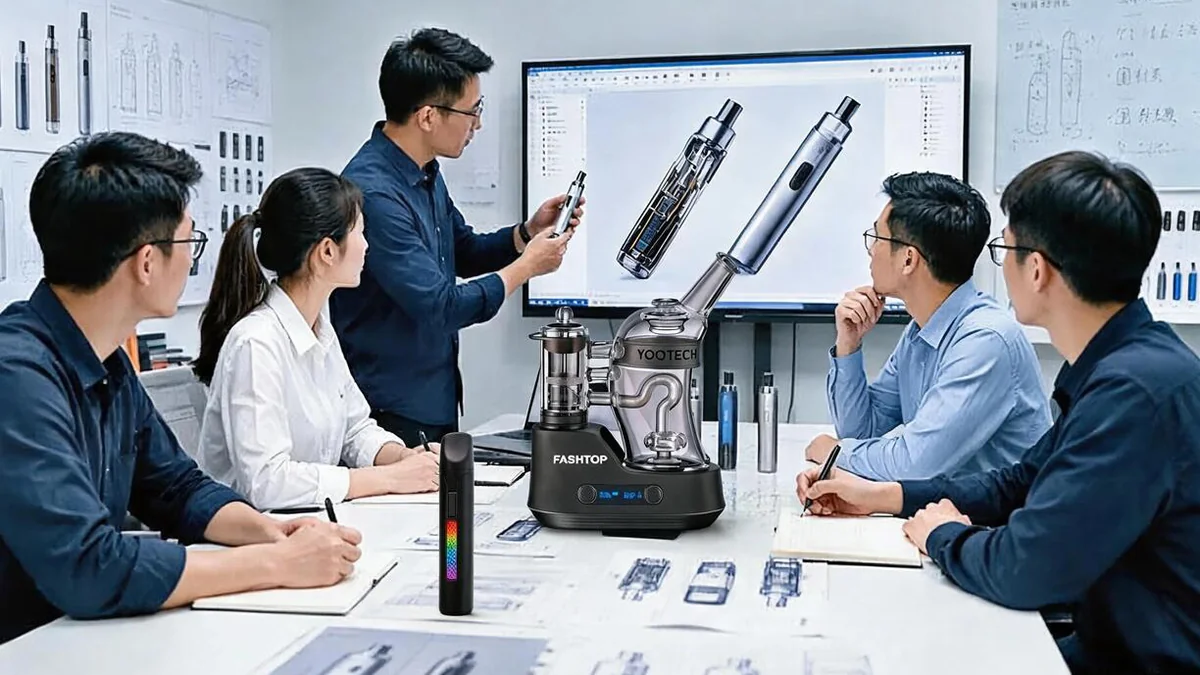
Product positioning is translated into user scenarios, form direction, interface logic and CMF proposals. Concept sketches and 3D models are reviewed with the customer before engineering release so appearance, usability, materials and manufacturing requirements remain aligned.
Hardware Development
Hardware development covers heating control, sensor and interface integration, battery and charging architecture, component selection, protection requirements and mechanical-electronic coordination. The architecture is evaluated for performance, safety, target cost and production feasibility.
PCBA Development
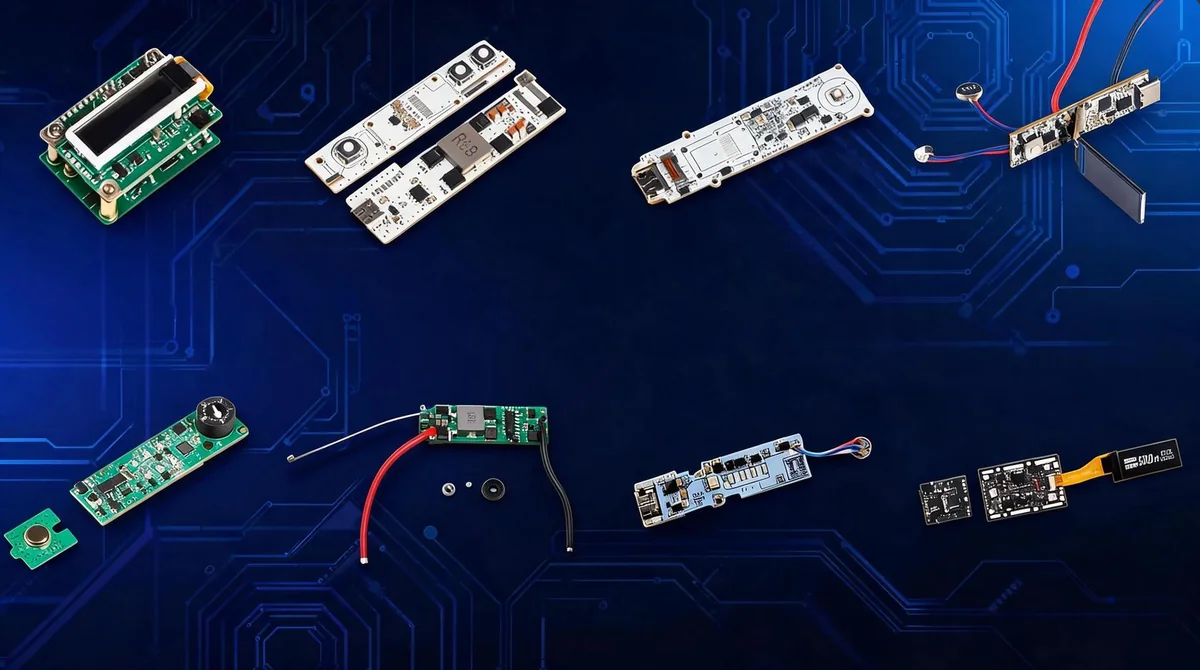
Custom PCBA support includes schematic and layout coordination, component selection, prototype boards, resistance and power verification, charging and battery-protection checks, short-circuit and over-temperature protection, assembly calibration and pre-integration testing.
Firmware Development
Firmware logic is developed around the required heating profiles, temperature control, user interface, indicator behavior, safety protection and device states. Prototype debugging verifies interaction between firmware, sensors, power delivery, heating components and the final structure.
Testing & Quality
Prototype validation and production control before delivery.
Testing
Testing Process
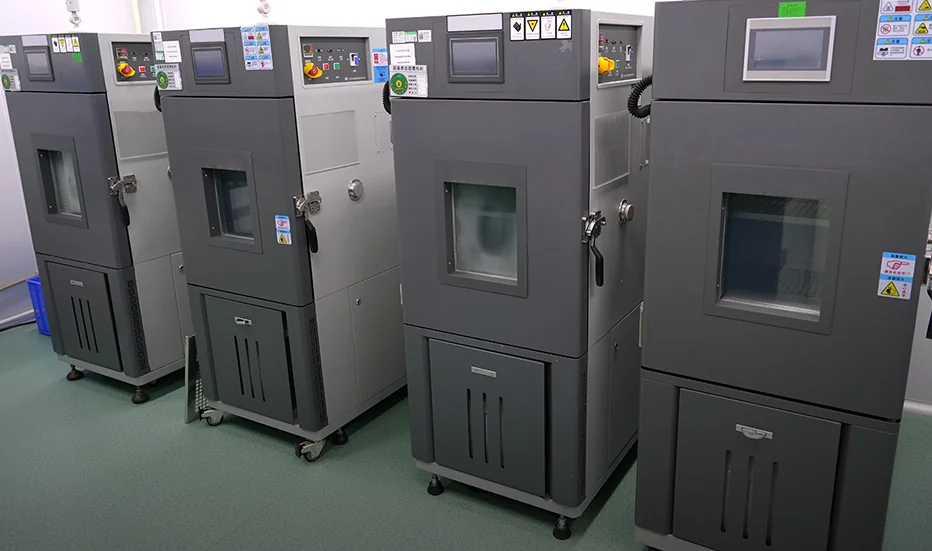
Validation can include functional verification, heating and temperature consistency, battery and charging tests, protection checks, airflow and leakage review, structural fit, drop and lifecycle tests, high- and low-temperature exposure, packaging evaluation and pilot-run verification.
Quality
Quality Control
Quality planning connects material inspection, key-component verification, in-process checks, PCBA and function testing, assembly control, finished-product inspection and traceable issue feedback. Control points are adjusted to the product design and approved production standard.
Customization Options
Connect service capability with your brand-specific product roadmap.
Industrial design, housing structure, materials and finishes, brand marks, heating components, temperature profiles, airflow, battery and charging options, PCBA, firmware behavior, user interface, accessories, packaging and production test requirements can be configured to the approved project scope.
Project details, cooperation scope, and development requirements.
From Product Brief to Production Readiness
DAB supports concentrate vaporizer projects that require more than a ready-made catalog item. SHENZHEN YOOTECH Co., Ltd. (HK FISHTOP), operating under the YOOTECH brand, coordinates product requirements, engineering communication and commercial execution, with manufacturing support delivered through long-term cooperation with qualified production partners.
The project begins with the target market, user scenario, product positioning, performance goals, customization depth, target cost and launch schedule. These inputs are converted into a practical development plan with defined review points from concept through pilot production.
Product definition connects brand direction with industrial design and engineering feasibility.
Industrial Design and Structure Development
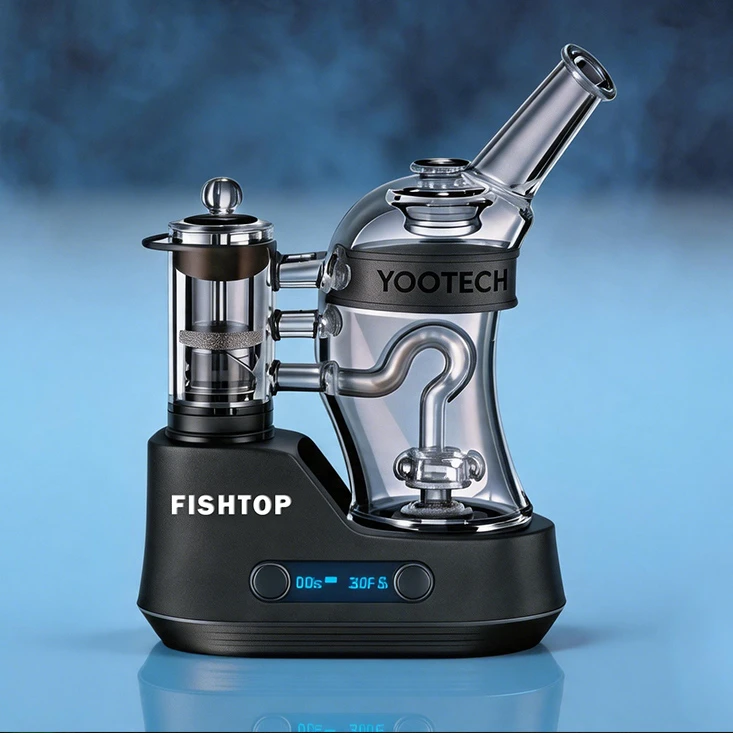
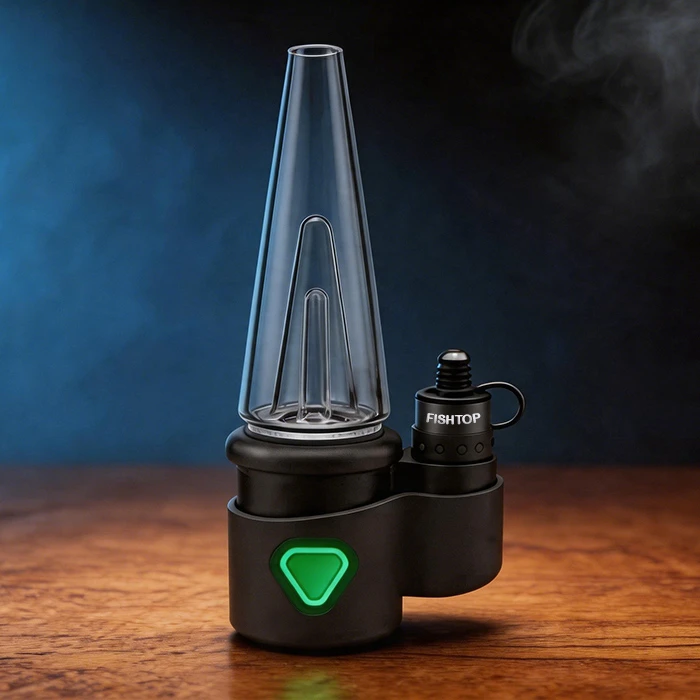
Industrial design is developed together with the internal structure rather than as a separate styling exercise. Appearance, ergonomics, CMF, component layout, airflow, heating architecture, assembly method and serviceability are reviewed as one product system.
Concept sketches, user interaction and 3D design development
CNC metal parts, surface finishing and material evaluation
Integration of glass, ceramic, silicone and molded components
Internal tolerance, sealing, airflow and assembly verification
Design-for-manufacturing and target-cost review
Hardware, PCBA and Firmware Integration
Product functions are defined around realistic operating scenarios. Hardware, PCBA and firmware development are coordinated with the heating system, battery, sensors, interface and mechanical structure so the complete device can be debugged and validated as one system.
Heating-element resistance and power verification
Battery, charging and protection-circuit validation
Short-circuit and over-temperature protection checks
Firmware-state, temperature-control and interface verification
PCBA testing before final structural integration
PCBA and firmware options are developed around the approved product architecture and functions.
Manufacturing Preparation and Delivery Control
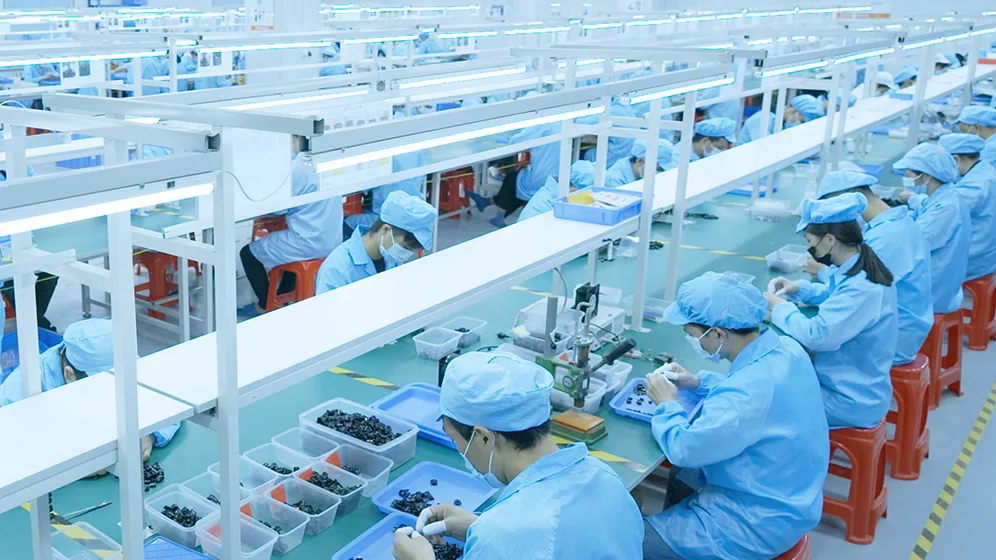
After prototype approval, the project moves into production preparation. Tooling, fixtures, work instructions, component standards, inspection points and test requirements are reviewed before the pilot run. Findings from pilot production are closed before volume scheduling.
Production planning is matched to the approved order volume and delivery target. The objective is predictable execution from material readiness through assembly, final inspection, packaging and shipment coordination without separating product quality from schedule control.
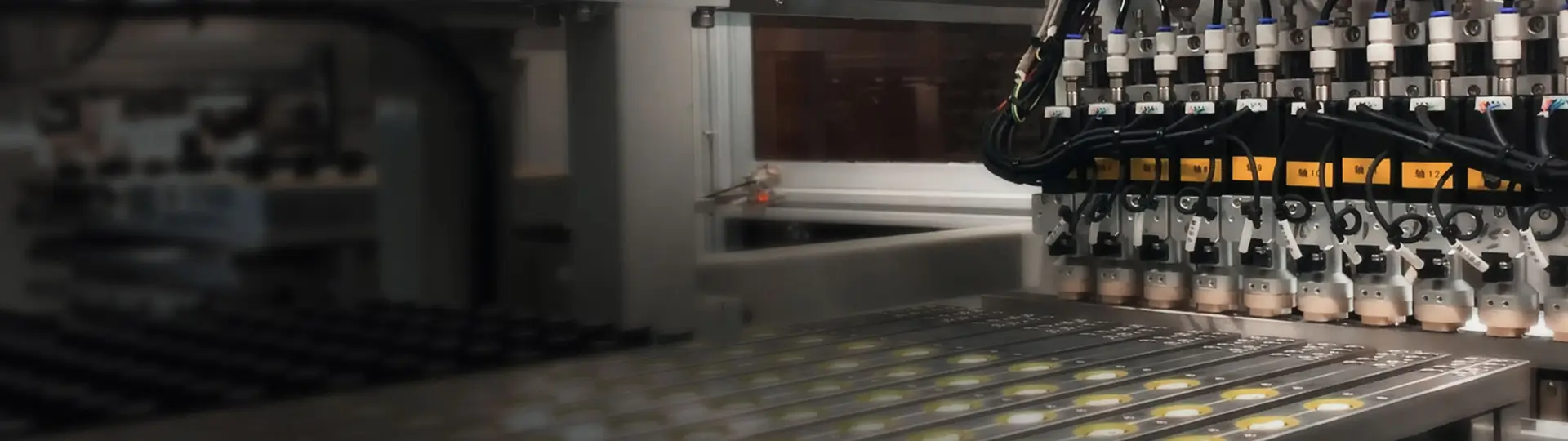
Production preparation combines process planning, equipment, fixtures and controlled work instructions.
Reliability and Quality Validation
Testing requirements are selected according to the product design, target market and customer standard. Functional, environmental and lifecycle checks provide evidence for design correction and production release.
Environmental and reliability testing supports prototype and pre-production validation.In-process inspection and defined test points support consistent batch delivery.
Start with a Clear Project Brief
To evaluate a new OEM/ODM project, provide the target product category, intended market, required functions, design references, customization priorities, expected order volume, compliance requirements and launch schedule. DAB will review the information and recommend the appropriate development path.
Related Products / Cases
Use product platforms and engineering cases to shape the next project.